7 Seeds You Should Eat, How to Build a Daily Mix, and Why Healthy Fats Matter
Seeds have moved from being a small add-on to becoming a central part of modern healthy eating. Not because they are trendy, but because they solve a real problem—most diets today are low in fiber, low in healthy fats, and overly dependent on processed foods. These tiny ingredients quietly fill that gap. Seeds don’t change […]
Seeds have moved from being a small add-on to becoming a central part of modern healthy eating. Not because they are trendy, but because they solve a real problem—most diets today are low in fiber, low in healthy fats, and overly dependent on processed foods.
These tiny ingredients quietly fill that gap.
Seeds don’t change your diet overnight—but they strengthen it in ways that add up over time.
This guide brings everything together: which seeds to eat, how to combine them, and why they matter so much today.
Why Seeds Have Become Essential
Modern eating patterns often include:
Refined carbohydrates
Low fiber intake
Imbalanced fats
Seeds naturally provide:
Fiber for digestion
Healthy fats for energy and heart health
Minerals and plant compounds
This makes them one of the simplest ways to improve overall nutrition without major changes.
The Role of Healthy Fats (Why They Matter)
For years, fats were misunderstood. Now we know that the type of fat matters more than the amount.
Seeds are rich in healthy fats, especially unsaturated fats.
These support:
Heart health
Brain function
Hormonal balance
Long-lasting energy
Healthy fats don’t make you unhealthy—imbalanced diets do.
When combined with fiber, these fats also help:
Slow digestion
Improve satiety
Reduce overeating
7 Seeds You Should Add to Your Daily Diet
You don’t need dozens of options. A small variety is enough.
1. Chia Seeds
High in fiber
Support digestion
Help with hydration when soaked
2. Flax Seeds
Rich in omega-3 fats
Support heart health
Best consumed ground
3. Pumpkin Seeds
Good source of magnesium
Support energy and muscle function
4. Sunflower Seeds
Contain vitamin E
Support skin and immune health
5. Sesame Seeds
Rich in calcium
Common in traditional diets
6. Basil Seeds (Tukhm-e-Malang)
Cooling effect
Help with digestion and hydration
7. Hemp Seeds
Provide protein and healthy fats
Support overall balance
Each seed offers something slightly different—but together they create a more complete profile.
Daily Seed Mix: What Should You Eat?
Instead of focusing on one seed, combining a few works better.
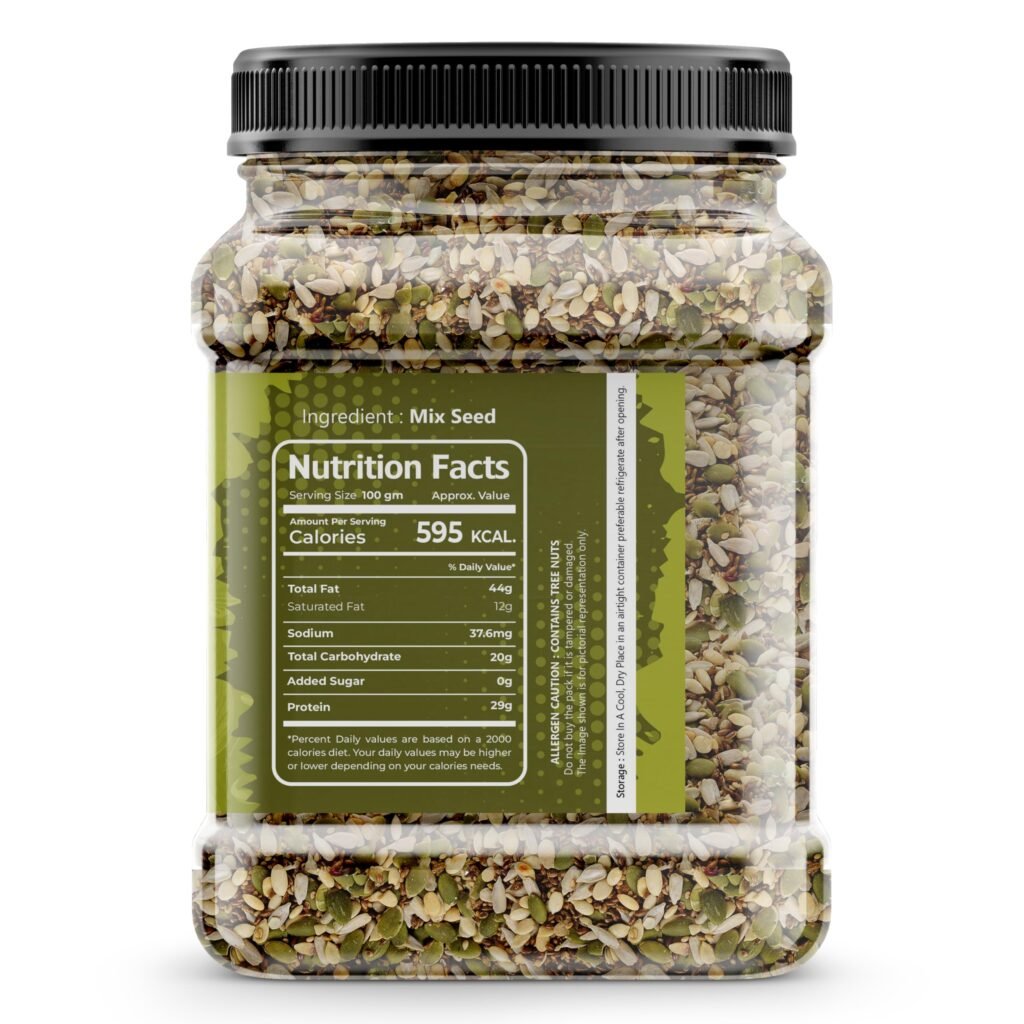
A simple daily mix could include:
1 tsp chia seeds
1 tsp ground flax seeds
1 tsp pumpkin or sunflower seeds
This combination provides:
Fiber
Healthy fats
Minerals
It’s easy to prepare and easy to maintain.
How to Use Seeds in Daily Life
Seeds don’t require complicated recipes.
You can:
Add them to yogurt or oats
Sprinkle over salads or meals
Mix into smoothies
Soak certain seeds for drinks
They blend into existing meals without changing your routine too much.
Why Seeds Work So Well in Modern Diets
Seeds address several common gaps:
1. Low Fiber Intake
Most people don’t consume enough fiber. Seeds help improve this quickly.
2. Poor Fat Quality
Seeds provide better fats compared to processed oils and snacks.
3. Convenience Without Processing
They are:
Easy to store
Ready to use
Minimally processed
This makes them practical for everyday use.
A Note on Balance
Even healthy foods need moderation.
Seeds are:
Calorie-dense
Nutrient-dense
A small amount daily is enough. Overconsumption doesn’t add extra benefit.
Final Thought
Seeds are not a replacement for a balanced diet—but they are one of the easiest ways to improve it.
When small foods are used consistently, they create big changes over time.
And that’s exactly where seeds fit in—not as a trend, but as a simple, lasting addition to how you eat every day.