Are Roasted Nuts Still Healthy? And How to Store Nuts Properly to Keep Them Fresh
Nuts are one of the simplest and most reliable foods you can add to your daily routine. They’re rich in healthy fats, provide steady energy, and support heart and brain health. But once you start using them regularly, two practical questions come up: Both questions matter more than they seem—because how you prepare and store […]
Nuts are one of the simplest and most reliable foods you can add to your daily routine. They’re rich in healthy fats, provide steady energy, and support heart and brain health.
But once you start using them regularly, two practical questions come up:
Are roasted nuts still healthy, or does roasting reduce their benefits?
What’s the best way to store nuts so they don’t lose freshness or go bad?
Both questions matter more than they seem—because how you prepare and store nuts directly affects their quality.
Are Roasted Nuts Still Healthy?
The short answer: yes, but it depends on how they are roasted.
Not all roasting methods are the same, and that’s where the difference lies.
What Happens During Roasting
Roasting changes nuts in a few ways:
Enhances flavor and crunch
Reduces moisture
Slightly alters some nutrients
In moderate conditions, most of the healthy fats and nutrients remain intact.
Proper roasting improves taste without significantly reducing nutritional value.
Dry Roasted vs Oil Roasted
This is where the real difference comes in.
Dry Roasted Nuts
Roasted without added oil
Retain most of their natural benefits
Good option for daily use
Oil Roasted Nuts
Cooked in added oils
May contain unhealthy fats depending on the oil used
Higher in calories
The issue is not roasting—it’s what’s added during the process.
What About High Heat?
Excessive heat can:
Damage some healthy fats
Reduce certain nutrients
Affect overall quality
Light to moderate roasting is generally fine, but heavily roasted or burnt nuts are less beneficial.
Raw vs Roasted: Which Is Better?
Both have their place.
Raw nuts:
Slightly higher in certain nutrients
More natural form
Roasted nuts:
Better taste
Easier to consume regularly
In practical terms, the difference is small.
The best choice is the one you can eat consistently without relying on processed snacks.
How to Store Nuts Properly
Nuts contain healthy fats, which makes them sensitive to heat, air, and moisture.
Improper storage can lead to:
Reduced freshness
Rancidity (bad smell/taste)
Loss of nutrients
The Best Storage Practices
1. Keep Them Airtight
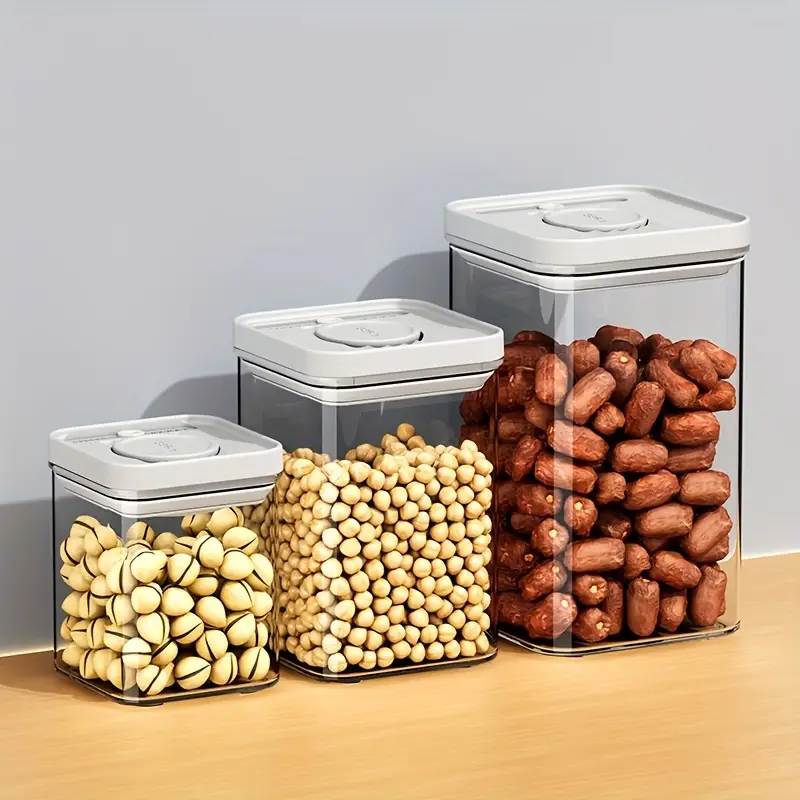
Store nuts in:
Glass jars
Sealed containers
This prevents exposure to air and moisture.
2. Avoid Heat and Light
Heat can damage fats and reduce shelf life.
Store nuts:
In a cool, dark place
Away from direct sunlight
3. Use the Refrigerator for Longer Storage
For extended freshness:
Keep nuts in the fridge
This slows down oxidation and helps maintain quality.
4. Freezing for Bulk Storage
If buying in large quantities:
Store nuts in the freezer
They can last much longer without losing quality.
5. Watch for Signs of Spoilage
Nuts that have gone bad may:
Smell sour or oily
Taste bitter
If that happens, it’s best not to consume them.
A Practical Routine That Works
Buy moderate quantities
Store in airtight containers
Keep daily-use portions separate
Refrigerate bulk stock
This keeps nuts fresh without much effort.
Final Thought
Nuts remain one of the most valuable additions to a healthy diet—whether raw or roasted.
It’s not the form of the nut that matters most—it’s the quality and consistency of how you use it.
And when stored properly and consumed regularly, they continue to deliver their benefits without compromise.