“Let food be your medicine.”It’s a powerful idea—and one that’s often misunderstood. Some people take it literally, believing diet alone can replace medical treatment. Others dismiss it completely, assuming food has little real impact beyond basic nutrition. The truth sits somewhere in between. Food cannot replace medicine in every situation—but it can reduce the need […]
“Let food be your medicine.” It’s a powerful idea—and one that’s often misunderstood.
Some people take it literally, believing diet alone can replace medical treatment. Others dismiss it completely, assuming food has little real impact beyond basic nutrition.
The truth sits somewhere in between.
Food cannot replace medicine in every situation—but it can reduce the need for it more than most people realize.
Understanding where food helps—and where it doesn’t—is what makes this idea practical instead of misleading.
What Food Can Actually Do
Food works at a foundational level. It doesn’t act like a drug that gives immediate results, but it shapes how your body functions over time.
A well-balanced diet can:
Support heart and metabolic health
Support immunity
Improve digestion
Stabilize blood sugar
Reduce inflammation
These effects may seem simple, but they influence many of the conditions people eventually need medication for.
Where Food Plays a Powerful Role
There are areas where food can make a significant difference.
1. Prevention of Disease
Many modern health problems—like obesity, type 2 diabetes, and heart disease—are strongly linked to diet.
Consistent healthy eating can:
Lower risk factors
Delay onset of disease
Improve overall resilience
2. Supporting Recovery
During illness or after treatment, proper nutrition helps:
Repair tissues
Maintain energy
Strengthen the immune system
3. Managing Mild Conditions
Certain everyday issues can often be improved through diet:
Constipation (fiber-rich foods)
Low energy (balanced meals)
Digestive discomfort (natural, simple foods)
In many cases, food doesn’t act as a cure—but it improves the environment in which your body heals.
Where Medicine Is Still Essential
It’s important to be clear and realistic.
Food cannot replace medicine in:
Serious infections
Advanced chronic diseases
Emergency situations
Surgical conditions
For example:
Antibiotics are necessary for bacterial infections
Insulin may be essential for diabetes management
Medical treatment is critical in heart conditions
Ignoring medical care in these situations can be dangerous.
The Real Problem: Waiting Too Long
Many people only think about diet after a problem develops.
At that stage:
Medication becomes necessary
Food alone may not be enough
If better habits were followed earlier, the situation might have been very different.
Food works best before disease, not just after it.
The Role of Food in Reducing Medication Dependence
While food may not replace medicine, it can often reduce the need for it over time.
With consistent lifestyle changes, people may see:
Improved blood sugar control
Better cholesterol levels
Reduced inflammation
This can sometimes lead to:
Lower medication doses
Better treatment outcomes
But this should always be done under medical supervision.
Traditional Wisdom vs Modern Reality
In traditional lifestyles:
Food was simpler and less processed
Physical activity was higher
Health issues were often fewer or delayed
Today:
Processed foods are common
Sugar intake is higher
Sedentary lifestyles dominate
This shift has increased dependence on medication.
The goal is not to reject medicine—but to reduce unnecessary dependence on it.
A Practical Approach That Works
Instead of extreme thinking, a balanced approach is more effective:
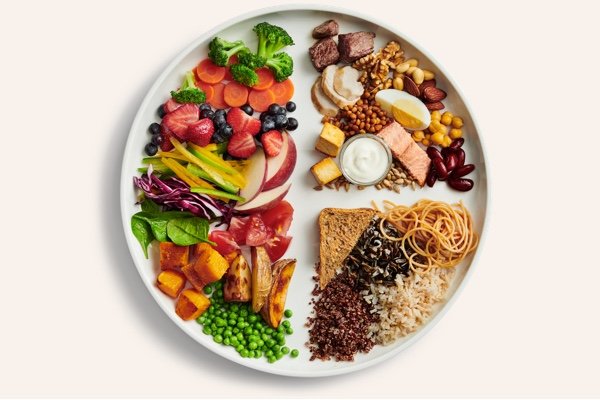
Use food to build strong daily health
Use medicine when truly needed
Combine both when managing conditions
This approach respects both science and common sense.
Simple Daily Habits That Make a Difference
Eat whole, natural foods more often
Reduce refined sugar and ultra-processed items
Include fruits, vegetables, nuts, and seeds daily
Stay consistent rather than perfect
These habits may seem basic—but they create long-term impact.
Final Thought
Food is not a replacement for medicine—but it is often the reason medicine becomes necessary in the first place.
The better you use food daily, the less you may need medicine later.
That’s not a promise—it’s a direction.
And for most people, it’s a direction worth taking seriously.