

And how your body processes it Sugar is not the villain in every bite of fruit or every sweet food. Your body uses glucose as a major fuel source, especially for the brain. The problem is usually not sugar itself, but how much added or free sugar enters the diet, how often, and how quickly. […]
And how your body processes it
Sugar is not the villain in every bite of fruit or every sweet food. Your body uses glucose as a major fuel source, especially for the brain. The problem is usually not sugar itself, but how much added or free sugar enters the diet, how often, and how quickly. WHO recommends keeping free sugars below 10% of total energy intake, and says reducing them below 5% may bring added health benefits.
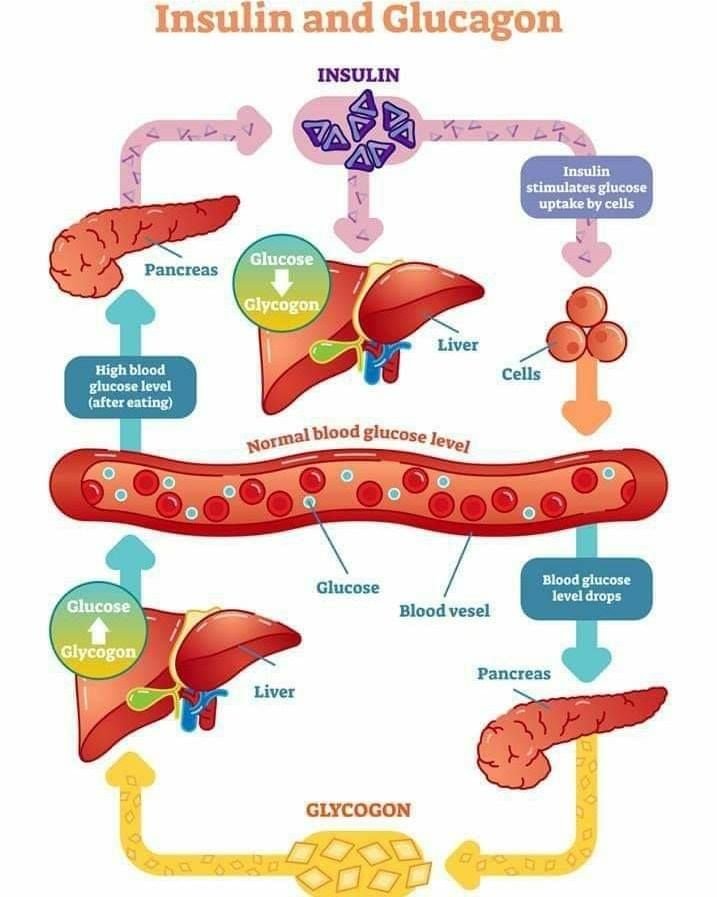
When you eat carbohydrate-containing food, digestion breaks much of it down into simpler sugars, including glucose, which is then absorbed into the bloodstream through the small intestine. As blood sugar rises, the pancreas releases insulin, a hormone that helps move glucose into cells to be used for energy or stored for later. When blood sugar later falls, glucagon signals the liver to release stored glucose so the body can keep functioning steadily. Harvard’s Nutrition Source describes this insulin-glucagon system as the body’s main blood sugar balancing mechanism, and NIDDK explains that most nutrient absorption happens in the small intestine.
Sugar enters the body quickly. What matters next is how well the body can handle it.
Your body does not chemically “know” whether sugar came from table sugar or fruit, but the food package around it changes how fast it is absorbed. Harvard notes that foods with natural sugar, such as fruits and vegetables, also contain fiber, which slows digestion. Added sugar, by contrast, usually arrives without fiber and is absorbed faster. That is why a soda and an apple do not affect the body in the same way.
A lot of added sugar, especially in drinks or refined snacks, can raise blood sugar quickly. That leads to a larger insulin response. Over time, repeated spikes may strain the body’s glucose-control system. The American Heart Association notes that sugary drinks can spike blood glucose levels and are linked with insulin resistance, while Harvard describes a steady stream of sugary foods and drinks as something that can tax blood sugar control.
Added sugar often increases calories without adding much fullness. Sugary drinks are a major example because liquid calories are less satisfying than calories from solid food. Harvard says sugary beverages can contribute to weight gain partly because they do not trigger the same appetite control as solid foods. The American Heart Association also says added sugars provide calories with no nutritional benefit, which can contribute to overweight and obesity.
Too much added sugar does not only affect body weight. Harvard notes that excess added sugar intake can raise blood pressure, increase chronic inflammation, and contribute to fatty liver disease, all of which are linked to heart disease. The American Heart Association also says higher added sugar intake is associated with increased risk for heart disease, stroke, and type 2 diabetes.
If the body is repeatedly pushed to handle large sugar loads, cells may become less responsive to insulin over time. That is a major part of insulin resistance, which raises the risk of type 2 diabetes. NIDDK explains that diabetes occurs when blood glucose stays too high, and Harvard notes that diets high in added sugar are linked with a higher risk of obesity and diabetes.
One of the oldest and clearest harms from excess sugar is dental decay. WHO’s sugar guidance specifically links higher free sugar intake with increased risk of dental caries as well as unhealthy weight gain.
Foods high in added sugar are often quick to digest, low in fiber, and not very satisfying. That combination can leave people hungry again sooner. Harvard notes that many sugary foods do not promote fullness well, which can make overeating easier, especially when they are part of highly processed foods.
The American Heart Association recommends limiting added sugar to about 6 teaspoons (25 g) a day for most women and 9 teaspoons (36 g) a day for most men. WHO’s broader population guidance is to keep free sugars below 10% of calories, and ideally below 5% for extra benefit.
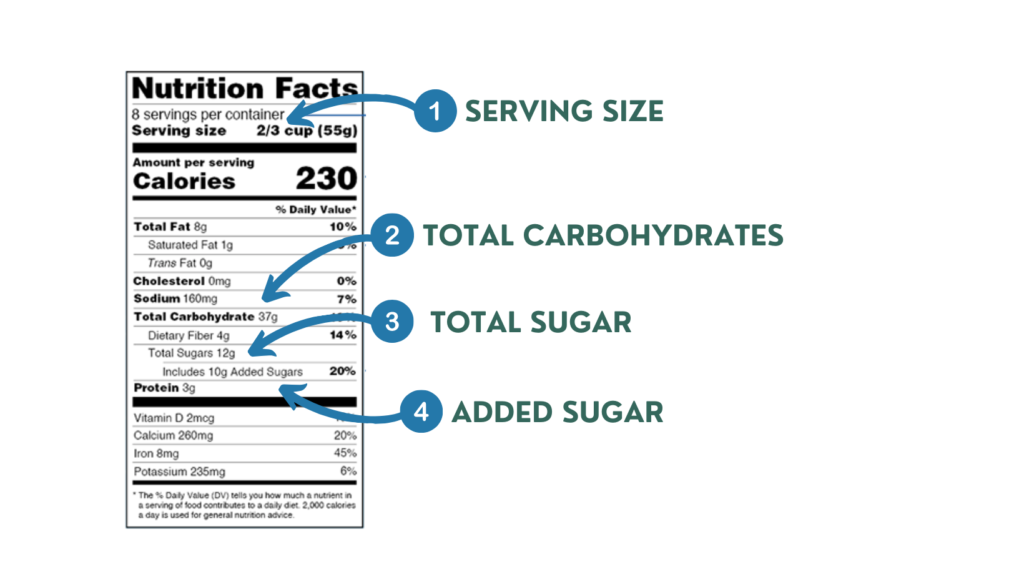
Your body is built to process sugar. It is not built to do well with constant exposure to large amounts of added sugar from drinks, desserts, sauces, cereals, and packaged snacks. The most useful response is not fear. It is awareness: drink fewer sugary beverages, read labels for added sugars, and choose more whole foods that slow sugar absorption naturally.
The biggest problem with sugar is not that the body cannot process it. It is that modern diets make the body process far too much of it, far too often.