How to Identify Pure vs Fake Natural Sweeteners—and Where Artificial Ones Fit In
Walk into any store today and you’ll find dozens of options claiming to be “natural,” “pure,” or “sugar-free.” Honey, jaggery, syrups, low-calorie sweeteners—it all sounds promising. But here’s the uncomfortable reality: Not everything labeled natural is actually pure—and not everything artificial is automatically harmful. Understanding the difference between real vs fake natural sweeteners and natural […]
Walk into any store today and you’ll find dozens of options claiming to be “natural,” “pure,” or “sugar-free.” Honey, jaggery, syrups, low-calorie sweeteners—it all sounds promising.
But here’s the uncomfortable reality:
Not everything labeled natural is actually pure—and not everything artificial is automatically harmful.
Understanding the difference between real vs fake natural sweeteners and natural vs artificial options can save you from making choices that look healthy but aren’t.
Why This Confusion Exists
The sweetener market has grown rapidly. As demand for “healthier sugar” increases, so does the number of products trying to fit that label.
This leads to:
Adulterated natural products
Misleading labels
Confusion between natural and artificial options
What matters is not just the name—but the quality and composition.
How to Identify Pure vs Fake Natural Sweeteners
Let’s start with the basics.
1. Check the Ingredient List
The simplest rule:
Pure product → one ingredient only
Anything more → likely processed or mixed
For example:
Pure honey → just honey
Pure date syrup → just dates
If you see added sugars, syrups, or preservatives, it’s no longer pure.
2. Look at Texture and Behavior
Natural sweeteners have distinct physical characteristics.
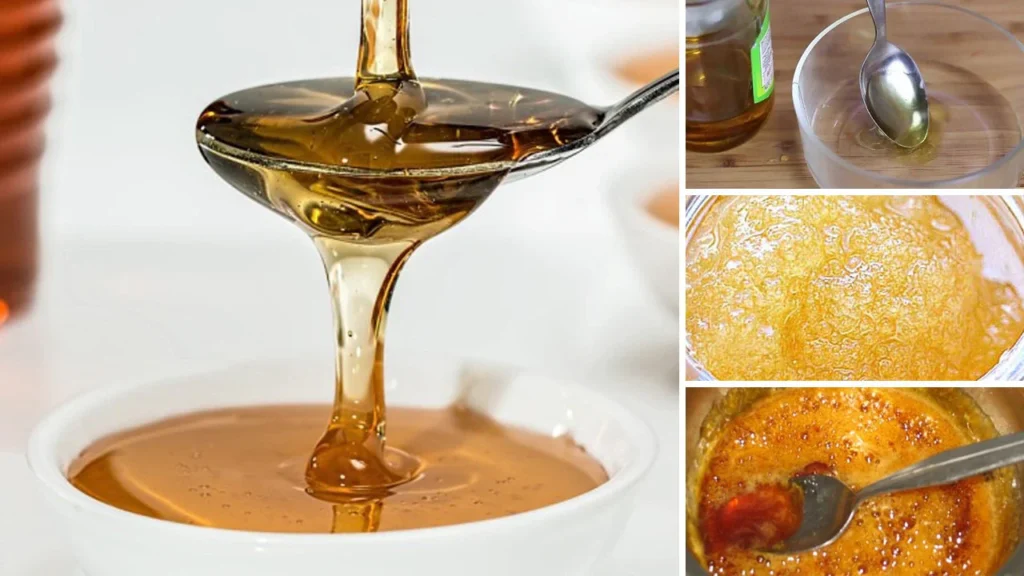
Honey:
Thick, smooth flow
Does not become watery instantly
Jaggery:
Solid, slightly uneven texture
Not overly shiny or perfectly uniform
Date syrup:
Deep color
Rich, slightly thick consistency
Overly refined appearance or unnatural texture can indicate heavy processing or mixing.
3. Be Careful with Extremely Low Prices
Quality natural sweeteners require time and raw material.
If a product is unusually cheap, it may:
Contain added sugar
Be diluted
Be partially synthetic
When it comes to natural sweeteners, price often reflects quality.
4. Taste and Aftertaste
Pure products tend to have:
Rich, deep flavor
Natural variation
Artificially enhanced or diluted products may:
Taste overly sweet
Have a flat or chemical aftertaste
The Truth About Artificial Sweeteners
Artificial sweeteners are often marketed as:
Sugar-free
Zero-calorie
Diabetic-friendly
Examples include:
Saccharin
Aspartame
Sucralose
They are designed to provide sweetness without calories.
Are Artificial Sweeteners Bad?
The answer is more nuanced.
What They Do Well:
Do not raise blood sugar significantly
Help reduce calorie intake
Useful for strict diabetes or weight control
Potential Concerns:
May affect gut bacteria
Can maintain or increase sugar cravings
Long-term effects are still debated
Artificial sweeteners solve one problem—but may create others if overused.
Natural vs Artificial: What’s the Real Difference?
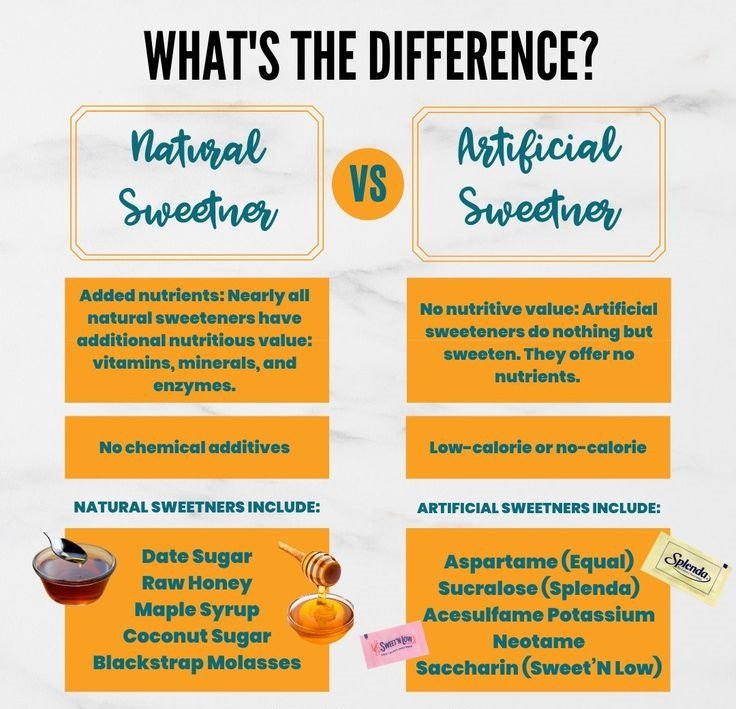
Natural Sweeteners:
Contain calories
Affect blood sugar
Provide small amounts of nutrients
Less processed (if pure)
Artificial Sweeteners:
Little to no calories
Minimal blood sugar impact
Highly processed
No nutritional value
Each has its place—but neither is perfect.
Which One Should You Choose?
It depends on your goal.
For general health:
Choose pure natural sweeteners in moderation
For strict diabetes control or keto:
Use artificial or non-caloric sweeteners carefully
For long-term balance:
Reduce overall reliance on sweetness
The best strategy is not choosing sides—it’s using each option wisely.
The Bigger Picture Most People Miss
Many people focus too much on replacing sugar, instead of reducing it.
You can switch:
Sugar → honey
Sugar → stevia
But if the habit remains the same, the result often doesn’t change much.
A Practical Approach That Works
Buy simple, minimally processed products
Read labels carefully
Use natural sweeteners occasionally, not excessively
Avoid dependency on ultra-sweet tastes
Small, consistent decisions make a bigger impact than perfect choices.
Final Thought
Sweeteners are not just about taste—they are about how they fit into your daily habits.
Purity matters. Moderation matters even more.
When you understand both, you move beyond marketing and start making choices that actually support your health.