Jaggery vs Sugar: How Jaggery Supports Digestion and Energy
The debate between jaggery (gur) and white sugar comes up often—and for good reason. As people become more health-conscious, many start replacing refined sugar with traditional alternatives, hoping for better results. But the real question is not just which one is better—it’s how different they actually are. Not all sweetness is equal, but not all […]
The debate between jaggery (gur) and white sugar comes up often—and for good reason. As people become more health-conscious, many start replacing refined sugar with traditional alternatives, hoping for better results.
But the real question is not just which one is better—it’s how different they actually are.
Not all sweetness is equal, but not all “natural” sweetness is harmless either.
Let’s look at it clearly, without exaggeration.
What Sets Them Apart
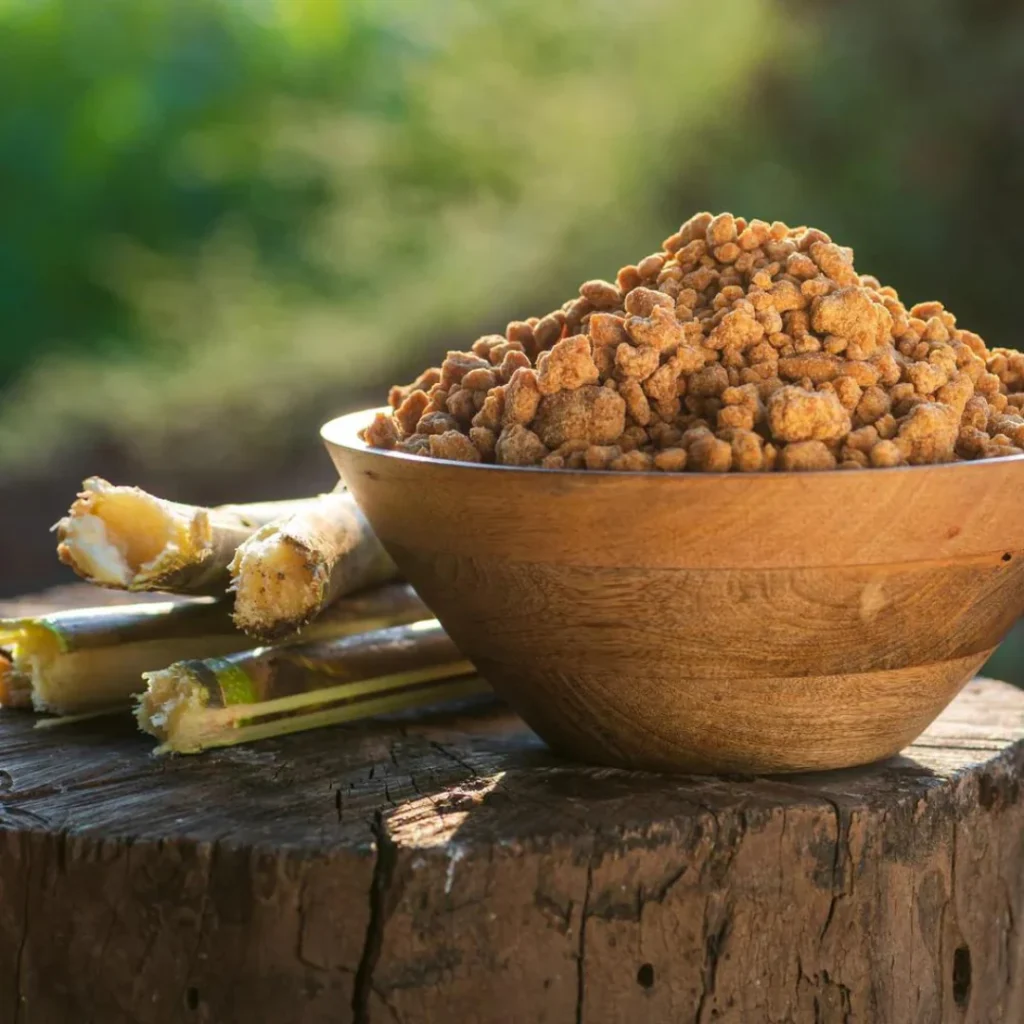
Both jaggery and sugar usually come from sugarcane, but the processing makes all the difference.
White sugar is:
Highly refined
Stripped of all minerals
Pure sucrose
Jaggery is:
Rich in natural color and flavor
Minimally processed
Retains trace minerals
That’s why jaggery feels more “complete,” while sugar is clean and neutral.
Nutritional Comparison
Jaggery contains small amounts of:
Iron
Magnesium
Potassium
White sugar contains:
No significant nutrients
However, it’s important to stay realistic.
The nutrients in jaggery are present in small amounts—not enough to treat deficiencies.
So while jaggery has an advantage, it’s not a nutritional powerhouse on its own.
Impact on Blood Sugar
Here’s where many people misunderstand.
Both jaggery and sugar:
Raise blood glucose levels
Provide quick energy
Jaggery may digest slightly slower due to its composition, but the difference is not dramatic.
For people with diabetes, both need to be used carefully.
Switching to jaggery doesn’t mean you can consume more sweetness freely.
Taste, Satiety, and Usage
One practical advantage of jaggery is its taste.
It has a deeper, richer flavor, which often leads to:
Smaller portions
Greater satisfaction
Sugar, being neutral, is easier to overuse—especially in tea, desserts, and processed foods.
Processing and Additives
Refined sugar goes through multiple chemical processes to achieve its white, uniform look.
Jaggery, especially when traditionally prepared, avoids heavy refining.
This makes it:
Less processed
Closer to its original form
But quality matters. Poorly made jaggery can contain impurities, so sourcing is important.
Which One Should You Choose?
If you had to choose:
Jaggery is the better option due to:
Lower processing
Trace nutrients
Richer taste
But both should be consumed in moderation
The real benefit comes not just from switching—but from reducing overall sugar intake.
It’s about making a better choice within a category that still requires balance. Jaggery is a step in the right direction—but the real progress comes from needing less sweetness overall.
How Jaggery Supports Digestion and Energy
Jaggery has been part of traditional diets for generations—not just as a sweetener, but as a functional food.
From eating a small piece after meals to using it in winter snacks, its role goes beyond taste.
What makes jaggery interesting is how it interacts with the body, especially in terms of digestion and energy.
A Natural Source of Quick Energy
Jaggery provides immediate energy because it contains natural sugars that are quickly absorbed.
This makes it useful for:
Recovering from fatigue
Supporting physical activity
Providing quick energy during long workdays
Unlike highly refined sugar, jaggery’s composition allows for a slightly more balanced release when consumed with other foods.
It gives energy quickly—but feels more satisfying and grounding.
Supporting Digestion After Meals
In many households, jaggery is consumed after meals. This is not just tradition—it has a functional basis.
Jaggery may:
Stimulate digestive enzymes
Support smoother digestion
Help reduce heaviness after meals
This is why it’s often used as a natural “digestive finish.”
Gentle Effect on the Gut
Jaggery contains small amounts of compounds that may support gut activity.
It can help:
Promote bowel movement
Reduce mild constipation
Support overall digestive flow
Its soft, unrefined nature makes it easier on the digestive system compared to highly processed sweets.
Energy Without the Same Crash
While jaggery still raises blood sugar, many people experience it differently when used properly.
When combined with:
Nuts
Seeds
Whole foods
it provides:
More stable energy
Reduced sudden crashes
Better satiety
This makes it useful in traditional snacks like:
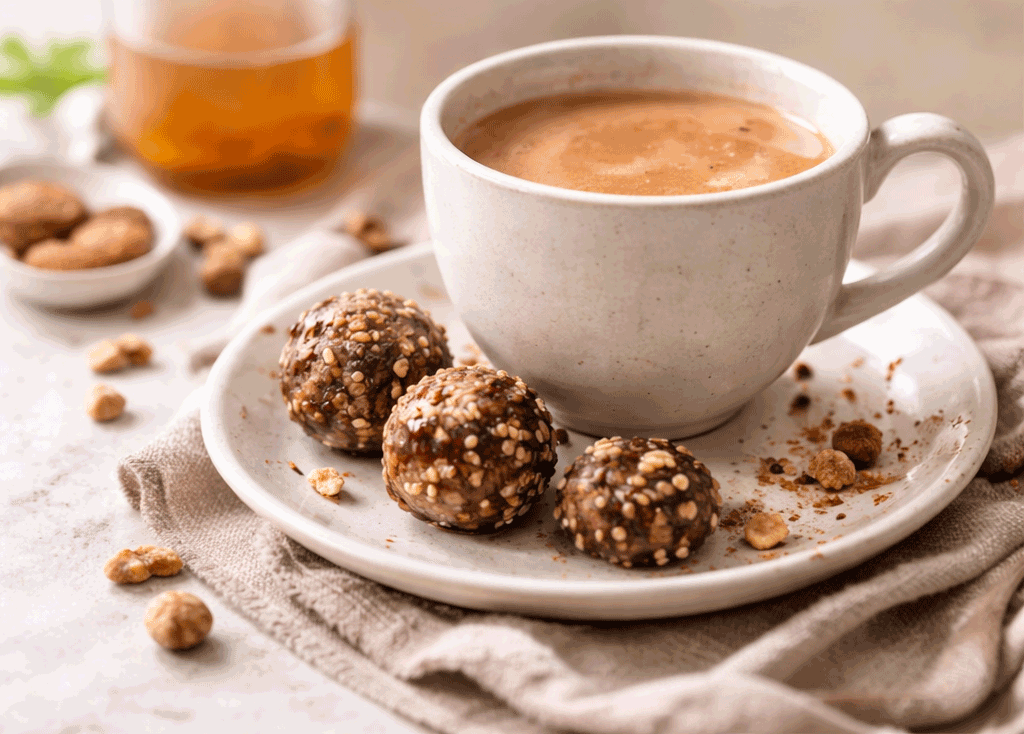
Gur + peanuts
Gur-based laddoos
Seasonal Benefits and Traditional Use
Jaggery is often associated with winter—and for good reason.
It is believed to:
Provide warmth
Support energy levels in colder months
Pair well with nutrient-dense foods
Whether or not all traditional claims are fully scientific, its seasonal use reflects practical experience over time.
A Smarter Way to Use Jaggery
To get the most benefit:
Use small amounts after meals
Combine with nuts or seeds
Replace refined sugar where possible
Avoid overconsumption
Moderation is key.
Final Thought
Jaggery is not just a sweetener—it’s a traditional food with functional value.
But like any source of sugar, its benefits depend on how it’s used.
Used wisely, jaggery can support digestion and provide energy. Used excessively, it becomes no different from sugar.
The difference lies not in the ingredient alone—but in the habit around it.