Natural vs Processed Foods: What Your Body Actually Needs
The debate between natural and processed foods often gets reduced to simple advice: eat natural, avoid processed. It sounds clear—but real life isn’t that black and white. Almost everything we eat today is processed in some way. The real question isn’t whether food is processed—it’s how much and how it affects your body. Once you […]
The debate between natural and processed foods often gets reduced to simple advice: eat natural, avoid processed. It sounds clear—but real life isn’t that black and white.
Almost everything we eat today is processed in some way. The real question isn’t whether food is processed—it’s how much and how it affects your body.
Once you understand that, the confusion starts to disappear.
What Are Natural Foods?
Natural foods are those that stay close to their original form.
They include:
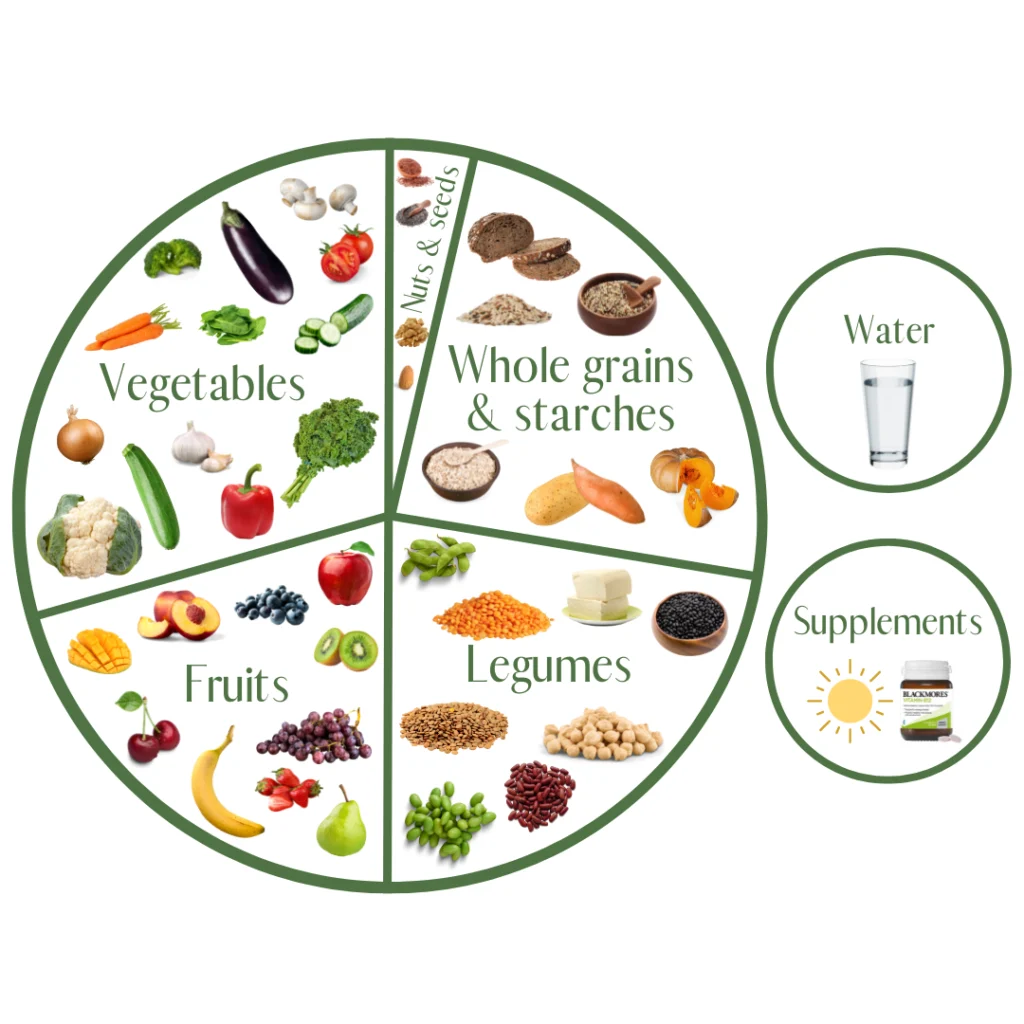
Fresh fruits and vegetables
Whole grains
Nuts and seeds
Eggs, milk, and minimally handled foods
These foods are:
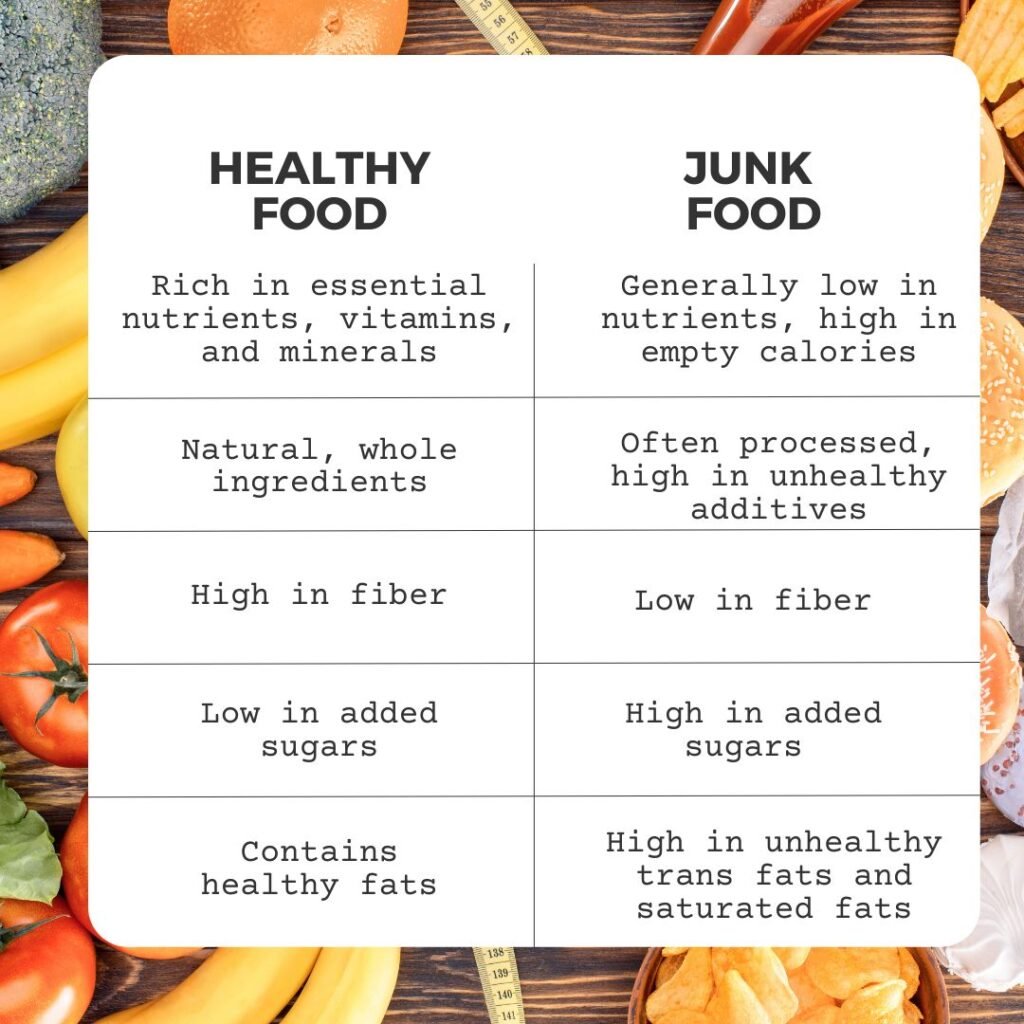
Rich in nutrients
High in fiber
Free from unnecessary additives
They don’t need much explanation—your body recognizes and uses them easily.
What Are Processed Foods?
Processing simply means food has been altered in some way.
This can range from:
Basic processing: washing, cutting, freezing
Moderate processing: making flour, yogurt, cheese
Heavy processing: packaged snacks, sugary drinks, instant meals
Not all processed food is harmful—but ultra-processed food is where problems begin.
The Real Difference: How Your Body Responds
Your body reacts very differently to natural and heavily processed foods.
Natural foods:
Digest more slowly
Provide steady energy
Support gut health
Keep you full longer
Ultra-processed foods:
Digest quickly
Cause blood sugar spikes
Increase cravings
Lead to overeating
It’s not just about calories—it’s about how your body handles those calories.
Nutrient Density vs Empty Calories
Natural foods are packed with:
Vitamins
Minerals
Fiber
Antioxidants
Ultra-processed foods often contain:
Added sugars
Refined oils
Artificial additives
This creates a situation where you may eat more—but still feel undernourished.
The Gut Health Factor
One of the biggest differences shows up in your gut.
Natural foods:
Feed beneficial bacteria
Improve digestion
Reduce inflammation
Processed foods:
Disrupt gut balance
Promote harmful bacteria
Increase digestive discomfort
A healthy gut depends more on daily food choices than on any supplement.
Why Processed Foods Are Easy to Overeat
There’s a reason processed foods are hard to stop eating.
They are designed to be:
Highly palatable
Easy to consume quickly
Low in fiber and satiety
This combination leads to:
Increased calorie intake
Frequent hunger
Reduced control over portions
Natural foods, on the other hand, naturally regulate intake because they are more filling.
Do You Need to Avoid All Processed Foods?
This is where balance matters.
Not all processed foods need to be eliminated.
For example:
Yogurt is processed—but beneficial
Whole grain flour is processed—but useful
Frozen vegetables are processed—but still nutritious
The goal is not perfection—it’s reducing ultra-processed foods and prioritizing whole ones.
What Your Body Actually Needs
Your body doesn’t ask for labels like “organic” or “premium.”
It needs:
Consistent nutrients
Stable energy
Balanced digestion
Minimal stress from additives and excess sugar
Natural foods meet these needs more effectively because they come with built-in balance.
A Practical Way to Approach This
Instead of strict rules, use simple guidelines:
Choose foods closer to their natural form
Cook more meals at home
Read ingredient lists—shorter is usually better
Limit packaged snacks and sugary drinks
Small improvements, done consistently, make the biggest difference.
The Traditional Perspective
If you look at traditional eating habits:
Meals were simple
Ingredients were fresh
Processing was minimal
Today, convenience has changed that.
The shift wasn’t just in food—it was in how often and how much we rely on processed options.
Returning to simpler eating patterns often brings noticeable improvements in energy and health.
Final Thought
The natural vs processed debate doesn’t need extremes.
It comes down to understanding what your body responds well to—and what slowly works against it.
The closer your food is to its natural form, the less effort your body has to make to use it.
And over time, that reduced effort translates into better health, better energy, and a more balanced life.