

The future of food will not be defined by one trend, one diet, or one technology. It is being shaped by a bigger question: how do we feed people well, affordably, and sustainably at the same time? Global food and nutrition policy now centers on transforming food systems so they can support healthier diets while […]
The future of food will not be defined by one trend, one diet, or one technology. It is being shaped by a bigger question: how do we feed people well, affordably, and sustainably at the same time? Global food and nutrition policy now centers on transforming food systems so they can support healthier diets while also addressing affordability, resilience, and environmental pressure.
For years, healthy eating was discussed mostly at the level of individual choice. Now the conversation is broader. The future of nutrition is increasingly tied to food systems — how food is produced, processed, transported, sold, and consumed. FAO’s recent work frames the challenge this way: diets, nutrition, health, resilience, livelihoods, and natural resources are interconnected, so better nutrition depends on more than what happens on a plate alone.
That shift matters because modern nutrition problems are layered. Undernutrition still exists, while obesity and diet-related disease are rising across countries. At the same time, high food-price inflation has made healthy diets harder to afford for many households. In other words, the future of nutrition is not only about what is ideal — it is also about what is accessible.
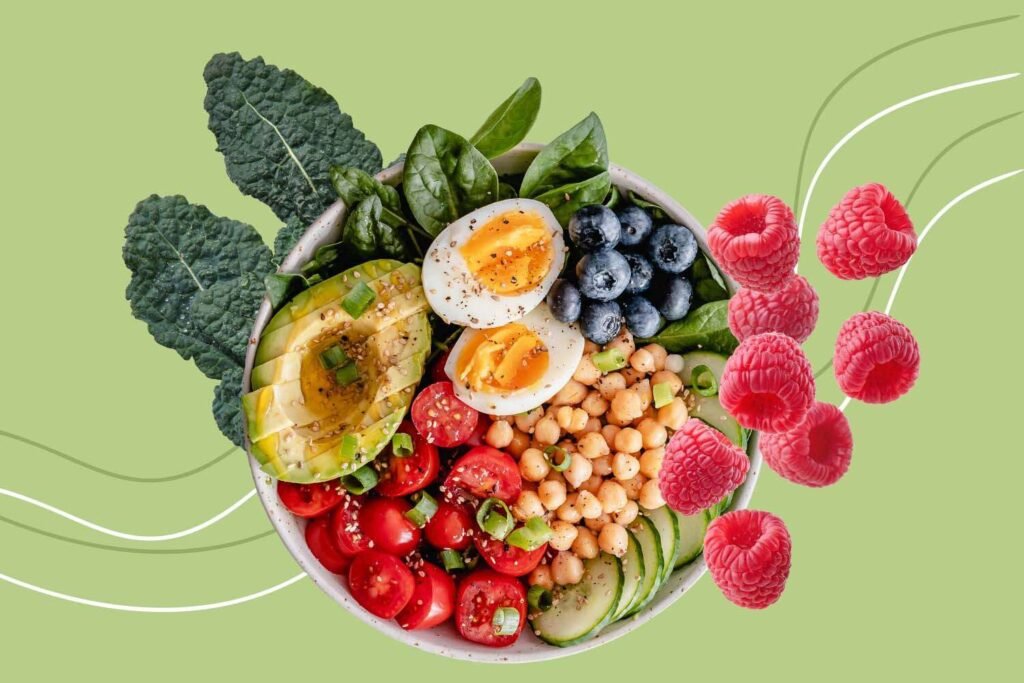
One of the clearest directions for the future is a stronger focus on plant-rich eating patterns. That does not necessarily mean everyone becomes vegetarian. It means diets are likely to lean more heavily on vegetables, fruits, legumes, nuts, seeds, and whole grains because these foods align with both health goals and sustainability goals. FAO’s work on sustainable diets links these foods with nutrition-sensitive and climate-smart food systems, while mainstream health reporting continues to emphasize fiber-rich whole foods over ultra-processed staples.
This future is also likely to revive interest in traditional and local foods. FAO notes that food biodiversity and local species can support more sustainable diets. That gives the future of nutrition a surprisingly human feel: it may be more innovative, but it may also become more rooted in regional ingredients and older food wisdom.
The next era of food will almost certainly involve more innovation: new ingredients, reformulated products, digital food systems, and smarter supply chains. But innovation alone is not enough. FAO’s “Future of Food” discussions explicitly include building consumer confidence in food systems, which shows that trust, transparency, and governance are becoming just as important as invention.
That is an important magazine-worthy truth: people do not simply want food that is modern. They want food that feels safe, understandable, nourishing, and worth believing in. The future of nutrition will depend not just on what science can create, but on whether consumers feel confident enough to welcome it. This is partly an inference from FAO’s emphasis on governance and consumer confidence as central pillars of food-system transformation.
If there is one issue likely to define the future more than any other, it is affordability. FAO’s 2025 food security and nutrition reporting highlights how inflation has undermined purchasing power and access to healthy diets, especially for lower-income populations. That means the future of nutrition is not just about discovering better foods — it is about making healthy diets realistically reachable for ordinary families.
This changes the tone of the conversation. The future is not only premium superfoods, boutique wellness products, or idealized eating plans. It is also school meals, local agriculture, food pricing, supply resilience, and public policy. The most meaningful progress may come from making everyday healthy eating easier, not more exclusive.
The most compelling version of the future is not one where food becomes colder or more artificial. It is one where food becomes smarter, fairer, and more intentional. Healthier diets, reduced food loss and waste, stronger resilience, and sustainable agrifood systems now sit at the center of international food discussions.
And perhaps that is the real headline: the future of food and nutrition is not just about eating differently. It is about redesigning the systems around food so that health, sustainability, and dignity can exist on the same table.