Long before white sugar became common, sweetness in daily life came from simple, natural sources. Jaggery—known as gur—was one of the earliest and most widely used sweeteners across South Asia and beyond. It wasn’t just an ingredient. It was part of daily meals, seasonal traditions, and even cultural identity. The story of jaggery is not […]
Long before white sugar became common, sweetness in daily life came from simple, natural sources. Jaggery—known as gur—was one of the earliest and most widely used sweeteners across South Asia and beyond.
It wasn’t just an ingredient. It was part of daily meals, seasonal traditions, and even cultural identity.
The story of jaggery is not just about food—it’s about how people understood sweetness before industrial processing took over.
The Origins: Where It All Began
Jaggery traces its roots back thousands of years, particularly in regions where sugarcane was cultivated, including the Indian subcontinent.
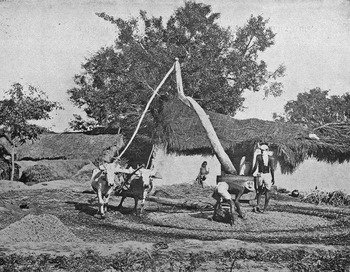
Early farmers discovered that boiling sugarcane juice produced a thick, sweet substance that could be stored and used over time. This simple method required no chemicals—just heat, patience, and skill.
From there, jaggery became:
A daily sweetener
A trade commodity
A staple in traditional diets
Traditional Methods of Making Jaggery
The process of making jaggery has remained largely unchanged for generations.
It involves:
Extracting juice from sugarcane
Boiling it in large open pans
Skimming impurities from the surface
Thickening and cooling into solid blocks
This method preserves:
Natural minerals
Deep flavor
Characteristic color
In some regions, jaggery is also made from date palm sap, offering a slightly different taste and texture.
What makes jaggery unique is not just its origin—but how little it has changed over time.
Jaggery in Traditional Diets
Before refined sugar became widely available, jaggery was used in everyday life:
Sweetening tea and drinks
Preparing desserts
Combining with grains, nuts, and seeds
Consuming after meals
It was also valued for its practicality:
Easy to store
Long shelf life
Versatile in cooking
In many homes, a small piece of jaggery was considered a natural way to end a meal.
Traditional Sweeteners Around the World
Jaggery was not the only natural sweetener used historically.
Different regions developed their own:
Honey: widely used across ancient civilizations
Date syrup: common in Middle Eastern diets
Maple syrup: used in North America
Palm sugar: popular in Southeast Asia
Each of these shared similar qualities:
Minimal processing
Natural origin
Cultural significance
Sweetness has always existed—but it looked very different before industrialization.
The Shift to Refined Sugar
The introduction of refined white sugar marked a major turning point.
With industrial processing, sugar became:
Cheaper
Easier to produce at scale
Uniform in taste and appearance
Over time, it replaced traditional sweeteners in many households.
This shift brought convenience—but also:
Loss of traditional methods
Increased sugar consumption
Greater reliance on processed foods
Why Traditional Sweeteners Are Returning
In recent years, there has been renewed interest in foods like jaggery.
This shift is driven by:
Increased awareness of processing
Desire for natural ingredients
Cultural reconnection
People are not just looking for alternatives—they are rediscovering what was once normal.
What was once replaced for convenience is now being revisited for balance.
The Cultural and Seasonal Connection
Jaggery has always been more than a sweetener.
It is closely tied to:
Seasonal foods (especially winter preparations)
Festivals and traditional dishes
Regional culinary identity
Its use reflects not just taste preferences, but also lifestyle and environment.
Final Thought
The history of jaggery is a reminder that many traditional practices were built on simplicity and practicality.
They may not have been explained scientifically at the time—but they often aligned well with natural living.
Sometimes, moving forward means understanding what we left behind.
And in the case of jaggery and traditional sweeteners, that understanding brings both cultural value and a more grounded approach to how we use sweetness today.