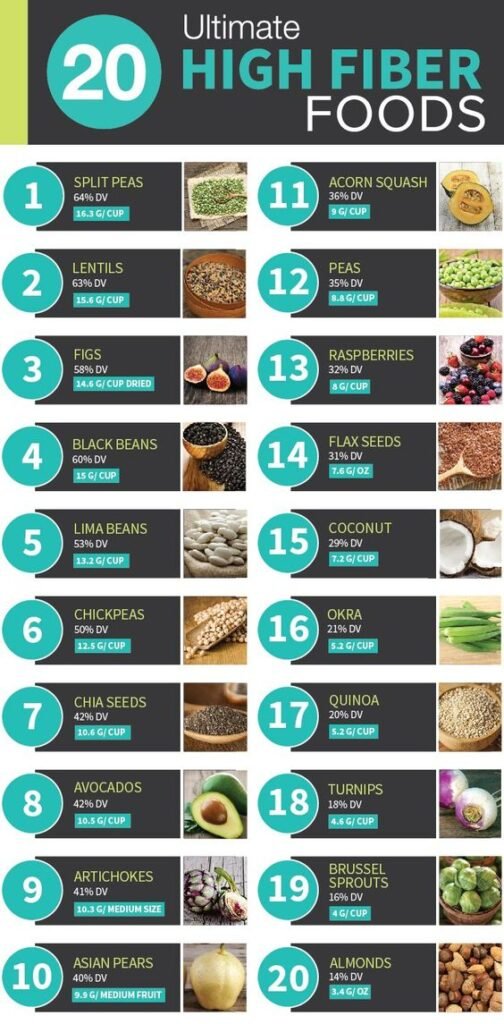
Fiber is one of the simplest things in nutrition—and one of the most ignored. It doesn’t come in flashy packaging. It’s not marketed as a miracle. And yet, quietly, it plays a central role in protecting your body from many of the diseases that have become common today. If there is one nutrient modern diets […]
Fiber is one of the simplest things in nutrition—and one of the most ignored.
It doesn’t come in flashy packaging. It’s not marketed as a miracle. And yet, quietly, it plays a central role in protecting your body from many of the diseases that have become common today.
If there is one nutrient modern diets are consistently lacking, it’s fiber.
Understanding its role can change the way you look at everyday food.
What Is Fiber, Really?
Fiber is a type of carbohydrate found in plant foods—but unlike sugar or starch, your body doesn’t digest it.
Instead of being broken down, fiber passes through your digestive system and supports multiple functions along the way.
There are two main types:
Soluble fiber: dissolves in water, helps control blood sugar and cholesterol
Insoluble fiber: adds bulk to stool, supports regular bowel movement
Both are essential—and most natural foods contain a mix of the two.
The Modern Diet Problem
Traditional diets were naturally rich in fiber:
Whole grains instead of refined flour
Fresh fruits instead of juices
Home-cooked meals instead of packaged snacks
Today, much of that has changed:
Refined flour (maida) replaces whole grains
Processed foods dominate meals
Fiber intake drops significantly
We didn’t just change what we eat—we removed what protects us.
Fiber and Digestive Health
The most immediate role of fiber is in digestion.
It helps:
Prevent constipation
Improve bowel regularity
Support smoother digestion
But its benefits go far beyond that.
Fiber also feeds beneficial gut bacteria, helping maintain a balanced digestive system.
A healthier gut leads to:
Stronger overall health
Better nutrient absorption
Reduced bloating
Fiber and Blood Sugar Control
Fiber slows down how quickly food is digested and absorbed.
This results in:
Gradual release of glucose
More stable blood sugar levels
Reduced risk of insulin resistance
Low-fiber diets, on the other hand, are linked to:
Blood sugar spikes
Increased cravings
Higher risk of type 2 diabetes
Stable blood sugar is not just about avoiding sugar—it’s about including fiber.
Fiber and Heart Health
Soluble fiber plays an important role in managing cholesterol.
It helps:
Reduce LDL (bad cholesterol)
Support heart function
Lower risk of cardiovascular disease
Foods like oats, beans, and fruits are especially beneficial in this regard.
Fiber and Weight Management
Fiber-rich foods are naturally more filling.
They:
Slow down digestion
Increase satiety
Reduce overeating
This makes them helpful for:
Weight control
Managing hunger
Preventing unnecessary snacking
In contrast, low-fiber foods are easy to overconsume because they digest quickly and don’t keep you full.
Fiber and Chronic Disease Prevention
A consistent lack of fiber is linked to several modern health issues:
Type 2 diabetes
Heart disease
Digestive disorders
Obesity
Research consistently shows that higher fiber intake is associated with a lower risk of these conditions.
It’s not a single food that protects you—it’s the presence of fiber across your daily diet.
Everyday Foods Rich in Fiber
You don’t need special products to increase fiber. It’s already present in common foods:
Fruits (apples, guava, bananas)
Vegetables (spinach, carrots, broccoli)
Whole grains (atta roti, oats, brown rice)
Legumes (daal, beans, chickpeas)
Nuts and seeds (almonds, flaxseeds, chia seeds)
The key is variety and consistency.
How to Add More Fiber Without Overcomplicating
Simple changes make a big difference:
Choose whole fruits instead of juices
Replace white flour with whole wheat
Add a handful of nuts or seeds to snacks
Include vegetables in every meal
Keep daal or beans as a regular part of your diet
Gradual changes are easier to maintain—and more effective in the long run.
A Note on Balance
Increasing fiber too quickly can cause discomfort like bloating.
It’s better to:
Increase intake gradually
Drink enough water
Fiber works best when your body adjusts to it naturally.
Final Thought
Fiber doesn’t act like medicine—it works quietly, consistently, and over time.
It supports your body every day, reducing risks before problems even begin.
The foods that protect your health are often the simplest ones—and fiber is at the center of them.
When you bring fiber back into your daily routine, you’re not just improving digestion—you’re building long-term protection against modern diseases.