
The Real Meaning Behind the Health Buzzword What Are Superfoods? The Real Meaning Behind the Health Buzzword From blueberries and chia seeds to dates, seeds, and leafy greens, “superfoods” have become a modern symbol of healthy living. But beyond the trend, what does the term actually mean? In the world of wellness, few words are […]
The Real Meaning Behind the Health Buzzword
From blueberries and chia seeds to dates, seeds, and leafy greens, “superfoods” have become a modern symbol of healthy living. But beyond the trend, what does the term actually mean?
In the world of wellness, few words are used as often — or as loosely — as superfood. It appears on product labels, in social media captions, and across health magazines, often attached to foods that promise everything from better energy to glowing skin and stronger immunity.
But despite its popularity, the term is often misunderstood.
The truth is, superfood is not a scientific category. It is a popular way of describing foods that are especially rich in nutrients and beneficial plant compounds. In simple terms, superfoods are foods that deliver exceptional nutritional value in a natural form.
They are not magical. They are not a shortcut to health. But they can be a powerful part of a nourishing lifestyle.
What makes a food “super” is not marketing alone — it is the concentration of goodness inside it.
Superfoods are typically rich in one or more of the following:
These foods help support the body in meaningful ways, whether by contributing to heart health, digestion, immunity, or overall well-being.
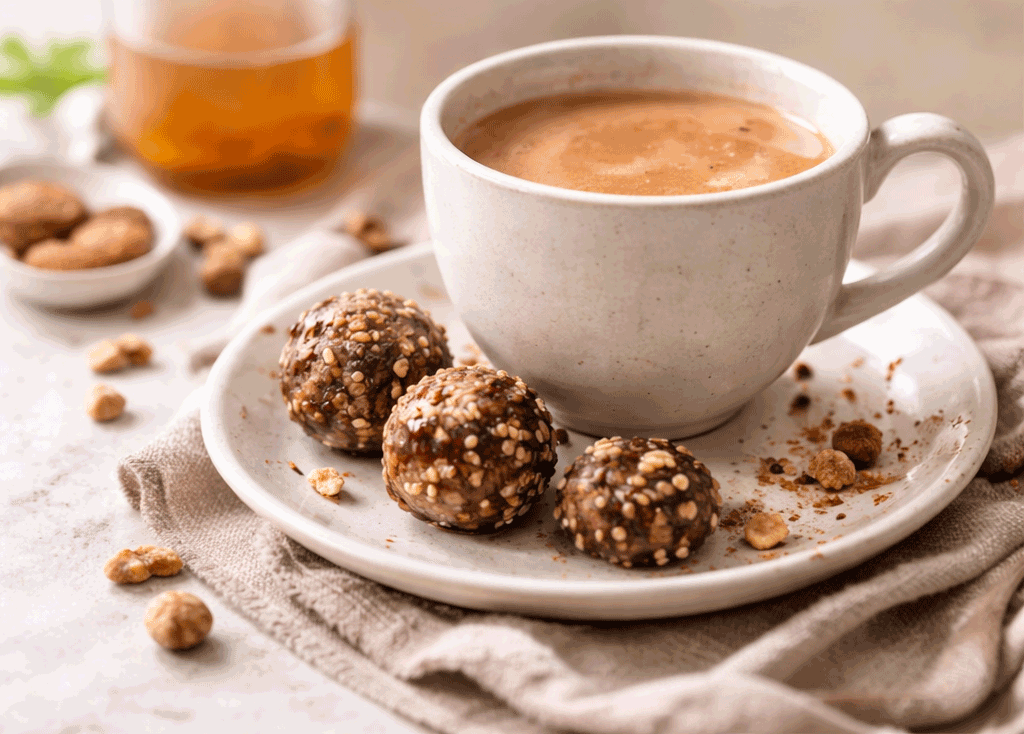
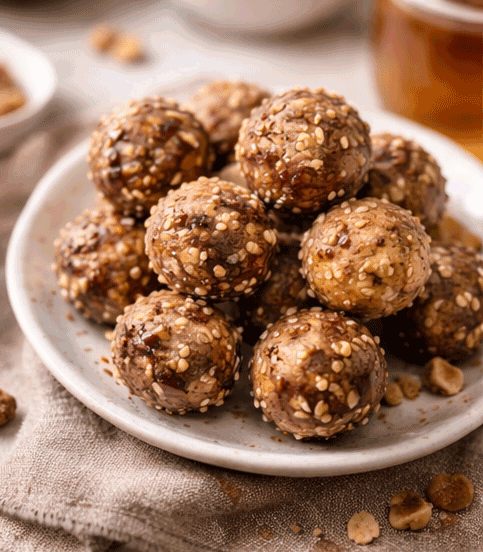
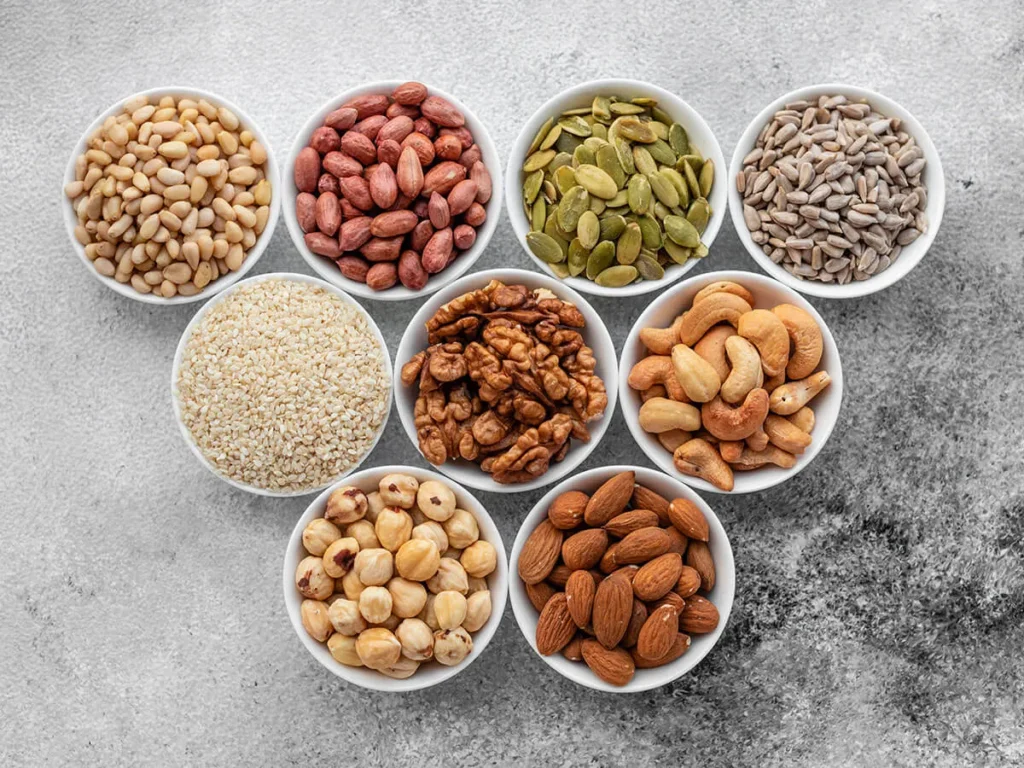
Berries, nuts, seeds, leafy greens, olive oil, yogurt, oats, turmeric, dates, and avocado are just a few examples commonly placed in this category. What they share is not hype, but density of nutrition.
One of the biggest misconceptions about superfoods is that they can somehow transform health on their own.
They cannot.
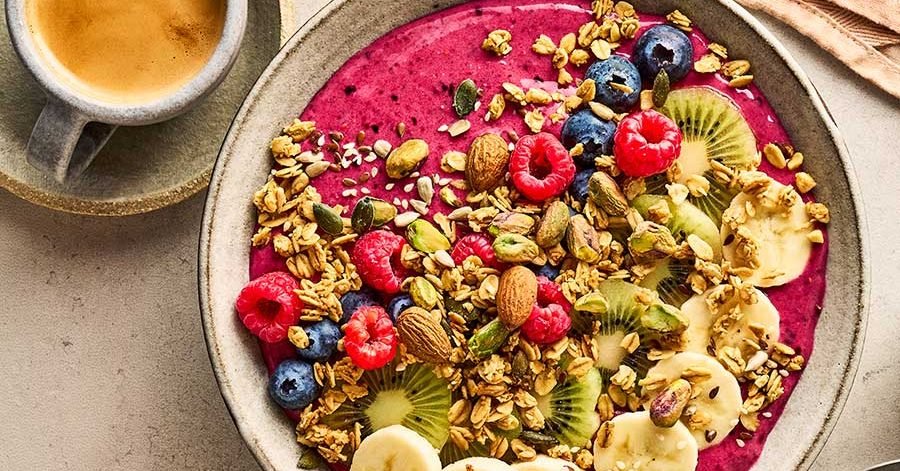
No single ingredient can replace the value of a balanced diet, good sleep, movement, hydration, and consistent healthy choices. A smoothie bowl full of superfoods does not erase the effects of poor lifestyle habits, just as one unhealthy meal does not destroy good health.
This is where the real meaning becomes important:
superfoods are supportive, not magical.
They work best when they are part of a wider pattern of wholesome eating. Their strength lies not in perfection, but in contribution.
Another myth is that superfoods must be exotic, imported, or expensive.
In reality, many of the most valuable superfoods are familiar, accessible, and deeply rooted in traditional diets. Foods like dates, honey, lentils, nuts, seeds, olive oil, yogurt, and seasonal fruits have nourished communities for generations. They may not always arrive in luxury packaging, but their nutritional value is real.
This is a helpful reminder in a world driven by food trends:
sometimes the most powerful foods are the simplest ones.
A handful of almonds, a spoon of seeds, fresh fruit, or a naturally sweet whole food can offer far more to the body than highly processed snacks dressed in health language.
The growing interest in superfoods reflects a deeper shift in how people think about wellness. Today, many consumers want food to do more than satisfy hunger. They want it to support energy, digestion, focus, resilience, and long-term health.
That is why superfoods remain relevant.
They represent a return to foods that are closer to nature, rich in nourishment, and valuable in everyday life. They encourage a more mindful relationship with eating — one that values quality, balance, and function.
In that sense, the appeal of superfoods is not only nutritional. It is also cultural. It reflects a desire to reconnect with food that feels real.
So what are superfoods, really?
They are nutrient-dense natural foods that offer meaningful health benefits when included as part of a balanced lifestyle. They are not miracle cures, but they are smart, valuable choices for anyone looking to eat with more intention.
The healthiest approach is not to chase labels, but to choose foods that are wholesome, minimally processed, and rich in natural goodness.
Because in the end, the real power of a superfood is not in the name —
it is in what it brings to the table.