What Is Gut Health, Why It Matters, and How the Digestive System Works
“Gut health” has become a popular phrase, but many people still are not fully sure what it means. Some think it only refers to digestion. Others connect it only to probiotics. In reality, gut health is broader than both. Your gut includes the digestive tract and the community of microorganisms living inside it, especially in […]
“Gut health” has become a popular phrase, but many people still are not fully sure what it means. Some think it only refers to digestion. Others connect it only to probiotics. In reality, gut health is broader than both.
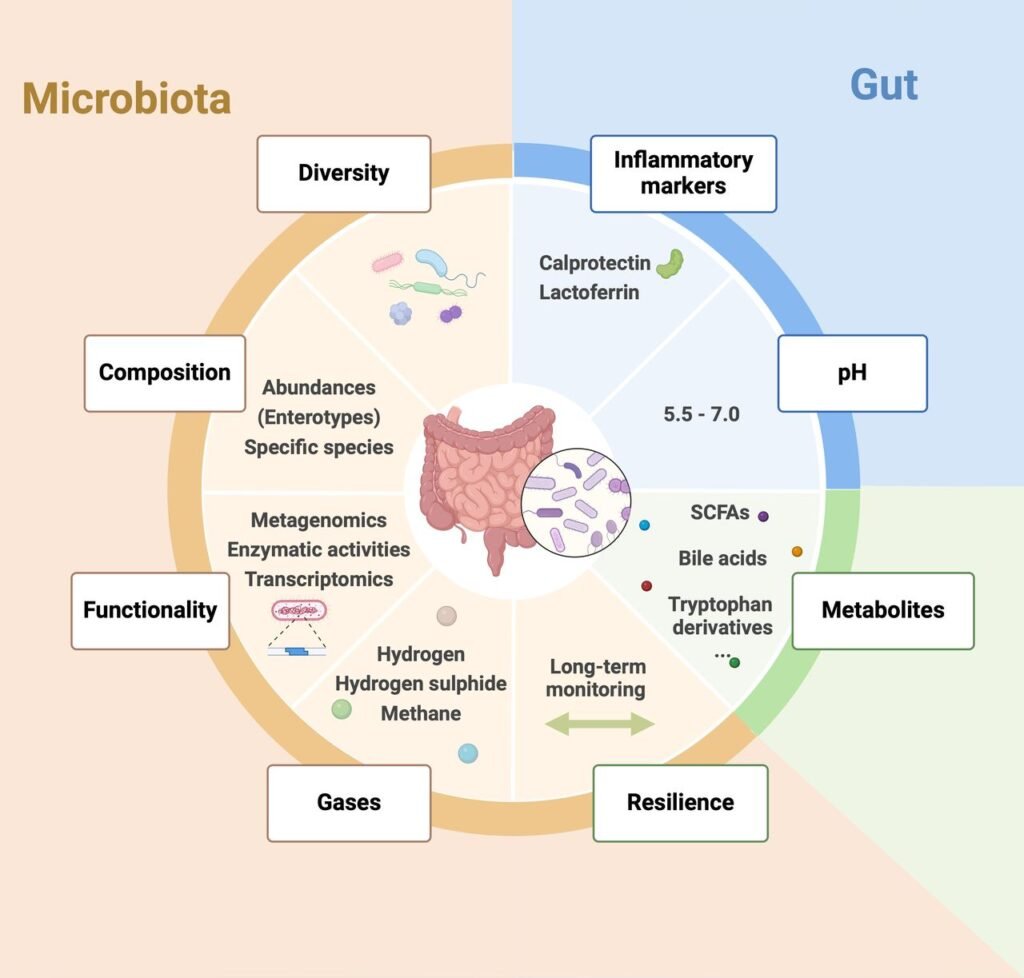
Your gut includes the digestive tract and the community of microorganisms living inside it, especially in the intestines. Cleveland Clinic explains that the gut microbiome is the ecosystem of microbes living in your intestines, with most of them in the large intestine. Harvard Health notes that gut diversity matters because different microorganisms may support digestion, nutrient absorption, immune regulation, protection from harmful bacteria, and inflammation control.
Gut health matters because the digestive system is not just where food passes. It is where food is broken down, nutrients are absorbed, waste is managed, and a large part of your internal regulation quietly happens every day.
First, how the digestive system actually works
The digestive system is the group of organs that move food through the body, break it down, absorb nutrients, and remove waste. NIDDK says each part of the digestive system helps move food and liquid through the gastrointestinal tract, break them into smaller parts, or both. Once foods are broken down enough, the body can absorb nutrients, while the large intestine absorbs water and the leftover waste becomes stool. Cleveland Clinic describes the digestive system the same way: a group of organs working together to digest food and absorb nutrients.
In simple order, digestion works like this:
Mouth
Digestion starts in the mouth, where chewing breaks food into smaller pieces and saliva begins the chemical process of digestion. NIDDK lists the mouth as the starting point of the digestive tract, and NHS guidance also explains that digestion begins with chewing and saliva.
Esophagus
After swallowing, food moves down the esophagus through wave-like muscular contractions called peristalsis. NHS guidance describes the digestive system as a long tube where food is squeezed along by regular contractions.
Stomach
The stomach mixes food with acid and enzymes, turning it into a semi-liquid substance called chyme. NHS materials describe this same process and note that the stomach’s acids and enzymes continue breaking food down.
Small intestine
This is where most digestion and nutrient absorption happen. Enzymes from the pancreas and bile from the liver help break food down further, and nutrients are absorbed through the intestinal walls into the bloodstream. NIDDK identifies nutrient absorption as a major job of the small intestine.
Large intestine
What remains then moves into the large intestine, where water is absorbed and the remaining waste is formed into stool. NIDDK states that the large intestine absorbs water and that the waste products of digestion become stool.
Rectum and anus
Finally, stool is stored in the rectum and leaves the body through the anus as part of the normal digestive process. NIDDK’s digestive system overview includes these as the final parts of the system.
So what does “gut health” really mean?
Gut health usually refers to how well this system is working and how balanced the gut microbiome is. A healthy gut is not just about avoiding stomach pain. It is about efficient digestion, regular bowel movements, comfortable eating, nutrient absorption, and a healthy balance of microorganisms in the intestines. Cleveland Clinic says some gut bacteria are more helpful than others, and Harvard notes that greater microbial diversity is generally considered beneficial.
A healthier gut often means:
food is digested more comfortably
nutrients are absorbed properly
bowel habits are more regular
harmful bacteria are kept better in check
inflammation stays lower
communication between the gut and the rest of the body works more smoothly
Why gut health matters beyond digestion
This is where the topic becomes more interesting. Gut health affects much more than the stomach.
1. Digestion and nutrient absorption
This is the most obvious role. Harvard notes that healthy gut diversity supports improved digestion and nutrient absorption. If food is not digested or absorbed well, the body does not get full benefit from what you eat.
2. Immune health
Harvard says the gut microbiome plays a role in immune-system regulation. The digestive tract is one of the body’s major interfaces with the outside world, so it makes sense that immune activity is closely tied to it.
3. Inflammation
Harvard also notes that gut health is linked with reduced inflammation. That matters because inflammation is involved in many chronic health issues.
4. Brain and mood connection
The gut and brain communicate constantly. Cleveland Clinic describes the gut-brain connection as complex and bidirectional, with signals passing both ways between the digestive system and the central nervous system. Harvard’s recent guidance also notes that inflammation and microbiome changes in the gut may influence mood and mental health.
This is one reason people often notice that stress affects digestion and digestion affects how they feel.
Signs your gut may not be very happy
Poor gut health does not always show up as one big symptom. More often, it appears in patterns such as:
frequent bloating
constipation or irregular bowel movements
heartburn
excess gas
stomach discomfort after meals
NIDDK explains that gas in the digestive tract can come from swallowed air and from bacteria in the large intestine breaking down undigested carbohydrates. NHS digestive guidance also lists constipation, bloating, and discomfort as common digestive concerns that lifestyle habits can influence.
That does not mean every symptom is about the microbiome, but it does mean the gut is often responding to lifestyle, diet, or digestion-related imbalance.
What affects gut health the most
Gut health is shaped by daily habits more than people think.
Food choices
Harvard and NHS guidance both emphasize fiber-rich foods for digestion and gut health. Fruits, vegetables, legumes, whole grains, nuts, and seeds help support beneficial gut bacteria and bowel regularity.
Stress
NHS digestive advice specifically says beating stress can help ease tummy troubles. This matches what many people already feel in real life: stress often shows up in the gut.
Sleep and movement
Cleveland Clinic says focusing on exercise and sleep can help keep the digestive system in top form, and Johns Hopkins-style guidance on gut health broadly echoes that lifestyle matters beyond food alone. In the sources here, Cleveland Clinic specifically mentions diet, stress, exercise, and sleep together.
Hydration
NHS digestive guidance recommends drinking plenty of fluids to aid digestion. Water supports bowel regularity and helps fiber do its job properly.
A simple way to protect your gut
You do not need a complicated program to support digestion and gut health. The strongest basics are surprisingly familiar:
eat more fiber-rich foods
include a variety of plant foods
drink enough water
sleep more regularly
move daily
manage stress better
avoid letting every meal happen in a rush
The gut usually responds best to consistency, not extremes.
Final thought
The digestive system is one of the body’s most quietly important systems. It takes in food, breaks it down, absorbs what you need, manages what you do not, and works closely with immunity, inflammation, and even mood.
So when people ask what gut health is, the simplest answer is this:
It is the health of the system that processes food, supports the microbiome, and helps keep the body balanced from the inside out. And because that system touches so many parts of health, it matters far more than digestion alone.