Why Natural Sweeteners Are Replacing Refined Sugar
Over the past few years, there’s been a noticeable shift in how people think about sugar. It’s no longer just about taste—it’s about how that sweetness affects the body. More people are moving away from refined sugar and looking toward alternatives like jaggery, honey, and date syrup. This change isn’t just driven by trends. It’s […]
Over the past few years, there’s been a noticeable shift in how people think about sugar. It’s no longer just about taste—it’s about how that sweetness affects the body.
More people are moving away from refined sugar and looking toward alternatives like jaggery, honey, and date syrup. This change isn’t just driven by trends. It’s rooted in a growing understanding of how different sweeteners interact with the body—especially when it comes to blood sugar.
The conversation has shifted from “how sweet it is” to “how your body responds to it.”
Why Refined Sugar Is Losing Ground
Refined sugar is simple and efficient—but that’s also its biggest drawback.
It is:
Highly processed
Quickly absorbed
Nutritionally empty
Once consumed, it enters the bloodstream rapidly, causing:
A sharp rise in blood sugar
A quick insulin response
Followed by a sudden drop
This cycle often leads to:
Frequent hunger
Energy crashes
Increased cravings
Over time, repeated spikes can strain the body’s metabolic system.
What’s Driving the Shift to Natural Sweeteners
Natural sweeteners like jaggery, date syrup, and honey are gaining attention for a few key reasons.
They are:
Less processed
Richer in flavor
Contain small amounts of minerals and plant compounds
But beyond that, people are becoming more aware of how these alternatives affect blood sugar stability.
It’s not that natural sweeteners are sugar-free—it’s that they may behave slightly differently in the body.
Understanding the Glycemic Index (GI)
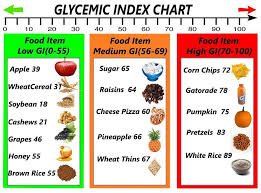
The glycemic index is a way to measure how quickly a food raises blood sugar.
High GI → rapid spike
Medium GI → moderate increase
Low GI → slower, more stable rise
Refined sugar falls into the high GI category, meaning it causes quick spikes.
Natural sweeteners vary:
Honey → generally high to moderate GI
Jaggery → moderate to high GI
Date-based sweeteners → often slightly lower, depending on form
This means that while natural options can still raise blood sugar, the rate and overall impact may differ.
Why GI Matters in Daily Life
When blood sugar rises too quickly and too often, it can lead to:
Energy instability
Increased fat storage
Higher risk of insulin resistance
A more gradual rise allows:
Steady energy
Better appetite control
Reduced stress on the body
The goal is not to eliminate sweetness—but to avoid extreme highs and lows.
Natural Sweeteners: A Small but Meaningful Advantage
Natural sweeteners offer a few practical benefits:
Slower Perception and Consumption
Their richer taste often leads to smaller portions.
Slightly Better Nutritional Profile
They contain trace minerals and compounds that refined sugar lacks.
Better Pairing with Whole Foods
They are often used alongside:
Nuts
Seeds
Whole grains
This combination naturally lowers the overall glycemic impact of a meal.
The Important Reality Most People Miss
Here’s the part that often gets overlooked:
Natural sweeteners are still sugar.
They:
Contain calories
Affect blood glucose
Require moderation
Switching from sugar to jaggery or honey does not mean unlimited use.
The Bigger Factor: How You Eat Matters More
The glycemic impact of food is not just about the sweetener itself.
It also depends on:
What you eat it with
How often you consume it
Your overall diet pattern
For example:
Sugar alone → rapid spike
Sweetener with fiber, protein, fats → slower response
This is why traditional combinations—like jaggery with nuts—often feel more balanced.
A Practical Way Forward
Instead of focusing on strict rules, a more effective approach is:
Reduce refined sugar gradually
Use natural sweeteners in smaller amounts
Combine sweetness with whole foods
Pay attention to how your body feels
These habits are easier to maintain and more realistic long term.
Final Thought
The shift from refined sugar to natural sweeteners is not about finding a perfect substitute.
It’s about making better choices within the same category—and understanding how those choices affect your body.
The quality of sweetness matters—but the quantity matters even more.
When you balance both, you don’t just change your diet—you improve how your body responds to it every day.