For years, modern eating was seen as progress. Packaged foods, fast meals, and convenience became symbols of a busy, evolving lifestyle. But something interesting is happening now. Across the world—and especially in our region—people are slowly turning back to traditional foods. Not out of nostalgia alone, but out of awareness. What was once considered “old-fashioned” […]
For years, modern eating was seen as progress. Packaged foods, fast meals, and convenience became symbols of a busy, evolving lifestyle.
But something interesting is happening now.
Across the world—and especially in our region—people are slowly turning back to traditional foods. Not out of nostalgia alone, but out of awareness.
What was once considered “old-fashioned” is now being recognized as practical, balanced, and closer to what the body actually needs.
So why is this shift happening?
The Fatigue of Modern Eating
Modern diets brought convenience, but they also introduced problems:
Increased sugar consumption
Highly processed foods
Low fiber intake
Irregular eating patterns
Over time, this has led to:
Low energy
Digestive issues
Rising lifestyle diseases
People are starting to connect how they feel with what they eat.
Convenience made life easier—but not necessarily healthier.
Traditional Foods Were Naturally Balanced
Traditional meals were not designed in labs or guided by trends. They evolved over generations.
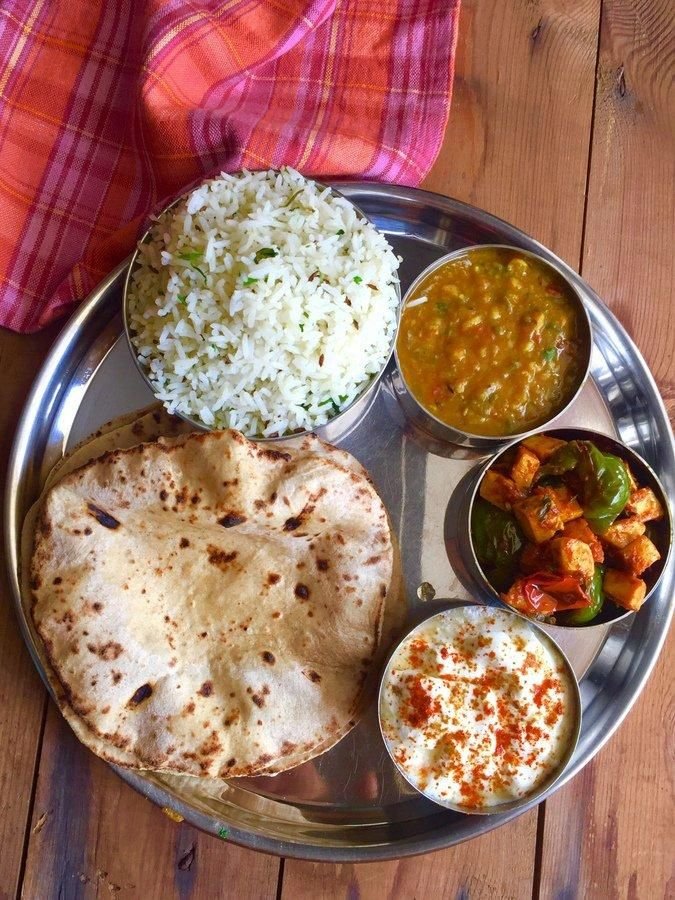
A typical meal included:
Whole grains (roti, rice)
Vegetables (seasonal sabzi)
Protein (daal, legumes)
Natural fats
This combination provided:
Steady energy
Balanced nutrition
Better digestion
Without complicated planning, these meals met many of the body’s needs.
Less Processing, More Real Nutrition
Traditional foods were:
Freshly prepared
Minimally processed
Free from artificial additives
In contrast, modern packaged foods often contain:
Preservatives
Added sugars
Refined ingredients
The difference is not just taste—it’s how the body responds over time.
The Return to Natural Ingredients
Ingredients like:
Jaggery instead of refined sugar
Whole grains instead of refined flour
Natural oils instead of processed fats
are gaining popularity again.
This shift reflects a growing understanding that:
Simpler ingredients are easier for the body to handle
Natural foods often provide better long-term support
Gut Health and Digestion Awareness
As awareness of gut health increases, people are rediscovering foods that naturally support digestion:
Yogurt (dahi)
Fermented foods
Fiber-rich meals
Traditional diets often included these regularly, without labeling them as “probiotic” or “gut-friendly.”
What we now study scientifically was already part of everyday eating.
Cultural Connection and Identity
Food is not just nutrition—it’s culture.
Traditional foods:
Connect people to their roots
Carry family and regional identity
Bring a sense of familiarity and comfort
In a fast-moving world, returning to these foods offers more than health—it offers connection.
Simplicity Over Complexity
Modern diets can feel complicated:
Counting calories
Tracking nutrients
Following strict plans
Traditional eating is simpler:
Eat balanced meals
Use fresh ingredients
Maintain consistency
Sometimes, simplicity is not a limitation—it’s a strength.
Not Everything Traditional Is Perfect
It’s important to stay balanced.
Some traditional practices may include:
Excess use of oils
High portion sizes
Limited variety
The goal is not to copy everything exactly, but to take the best parts and adapt them.
A Practical Way Forward
You don’t need to completely change your lifestyle.
Small steps can bring traditional balance back:
Cook more meals at home
Use whole ingredients
Include seasonal foods
Reduce packaged snacks
These changes are realistic and sustainable.
Final Thought
The return to traditional foods is not about going backward—it’s about moving forward with better understanding.
What worked for generations often carries wisdom that modern trends are only beginning to rediscover.
And when you combine that wisdom with today’s knowledge, you get something powerful: a way of eating that is simple, balanced, and built to last.